AAnderson AteufackGoogle★★★★★
“The roller mechanism on our existing net broke. They replaced it with a new upgraded system that rolls smoother and locks in place better. Much better than the original.”
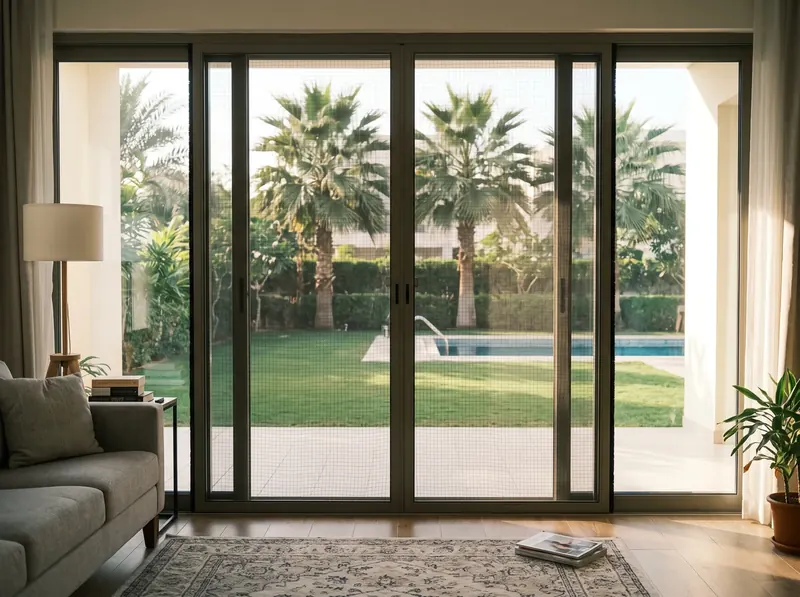
On a villa terrace, sliding mosquito screens go on the glass doors between the living room and the garden or pool. Each screen slides along the door line and parks beside the glass, so loungers can stand close. From AED 670 per terrace door and AED 810 for a wide opening; an open pergola takes zip screens.
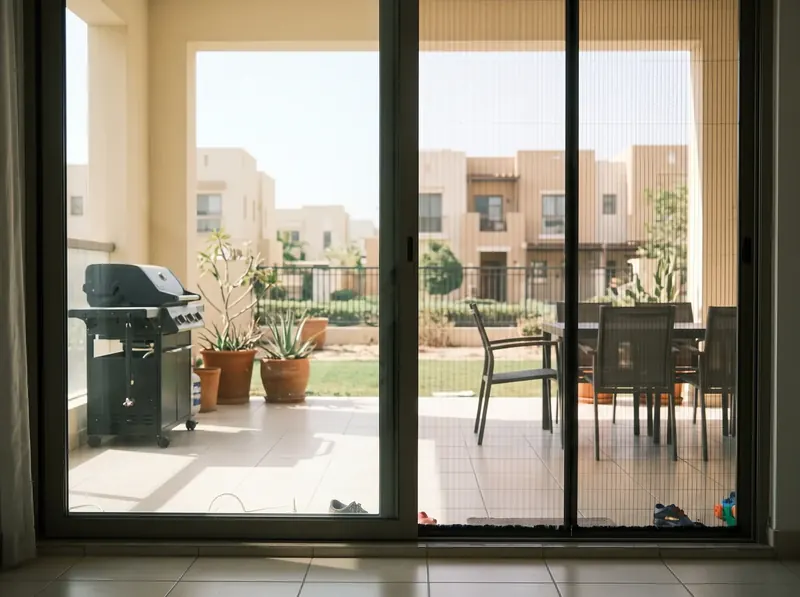
Nets for the doors out to the gardenSliding screens for terrace doors
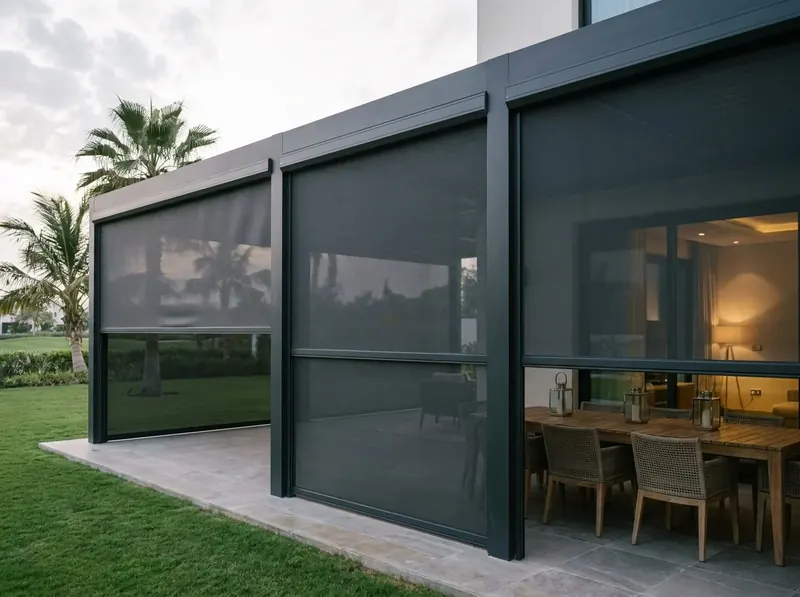
Mesh all round the pergolaZip screens between the posts
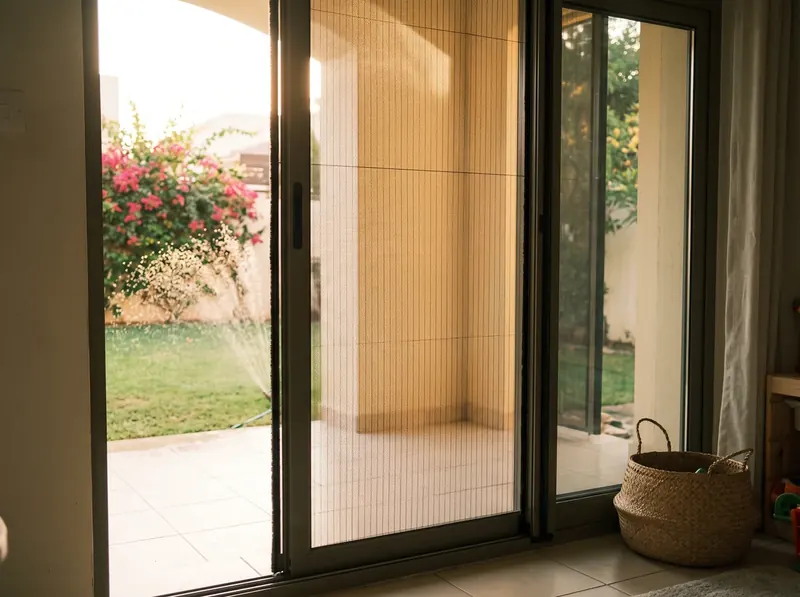
A net that disappears when guests comePleated screen in a side cassette
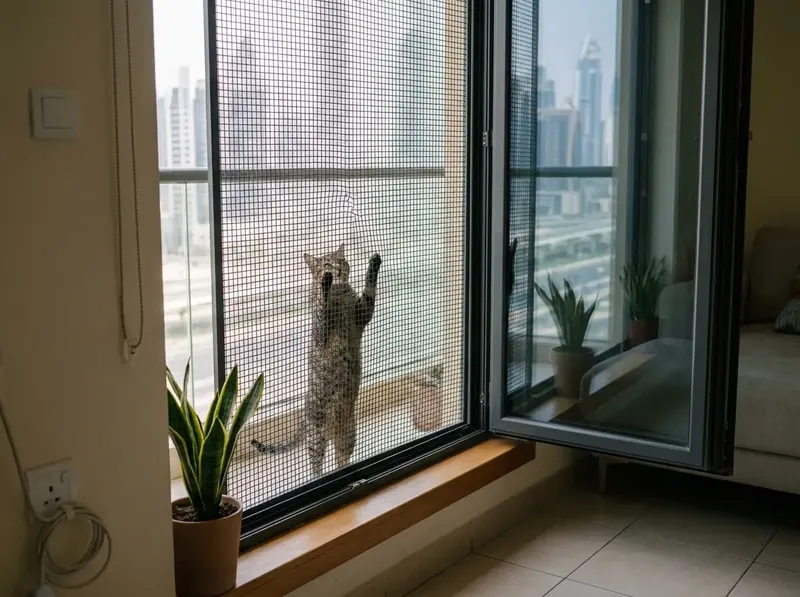
The door the dog uses to the lawnPet mesh on the busiest door
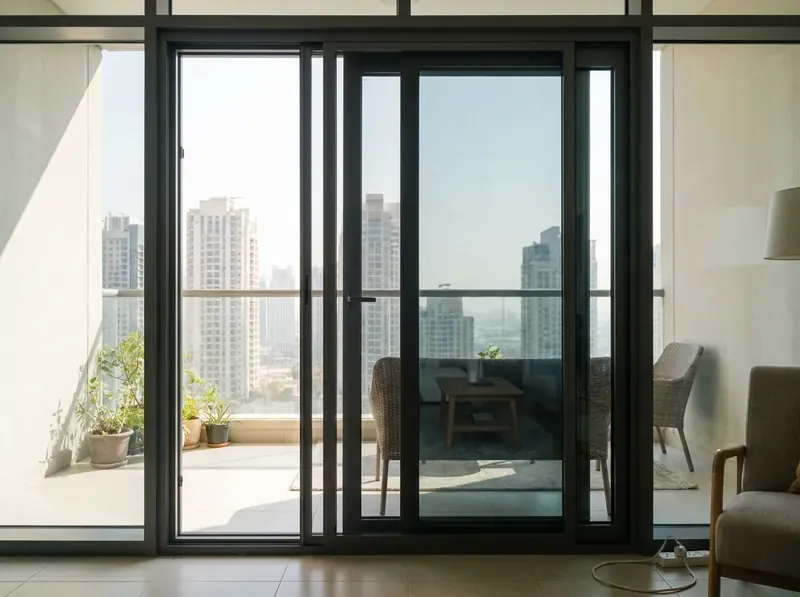
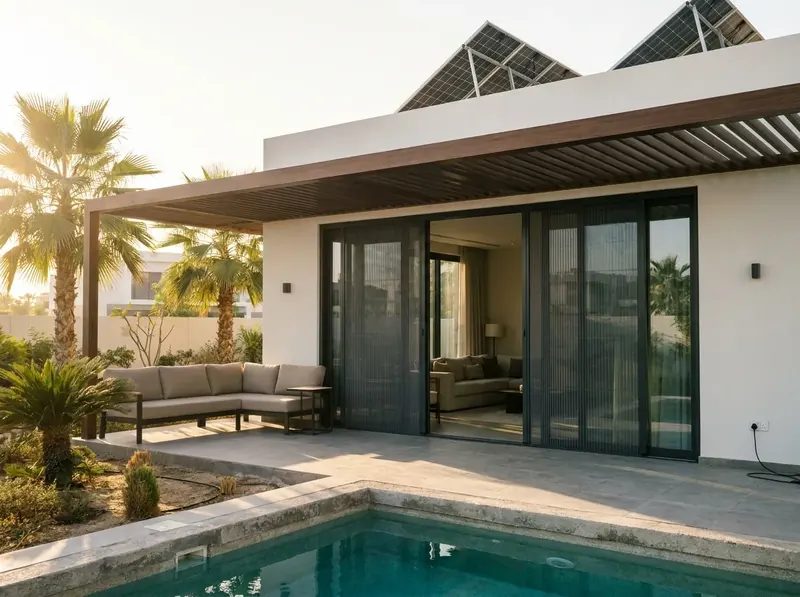
Loungers, planters and the barbecue often stand right by the terrace doors. A sliding screen moves along the door line, not into the room or the garden, so nothing has to shift.
Sprinklers, the pool and planted beds keep mosquitoes near the house in the evening. With the screen pulled across, the doors stay open on cooler evenings while you sit inside.
Is your terrace closed off by glass doors?
Sliding screens go on the doors that open.
An open terrace or pergola needs zip screens between the posts.
Do you walk out through one door far more than the others?
That door gets the sturdiest mesh, or a pleated screen that folds away.
A sliding screen on each leaf that opens is enough.
Is the terrace on an upper floor or the roof?
Wind is stronger up there. Reinforced mesh at AED 600 per m² keeps the screen flat.
Standard mesh is enough on a sheltered ground floor terrace.
Tap the opening on your terrace. Prices with standard mesh.
| On your terrace | Mesh | Price per m² |
|---|---|---|
| Lawn and pool, mosquitoes at dusk | Standard | AED 400 |
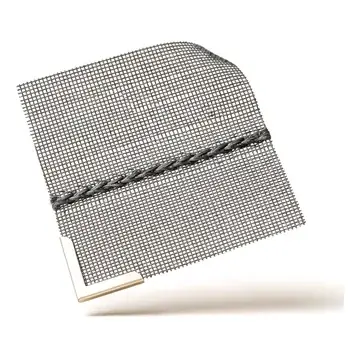
| Dog or kids pushing through | Pet | AED 800 |
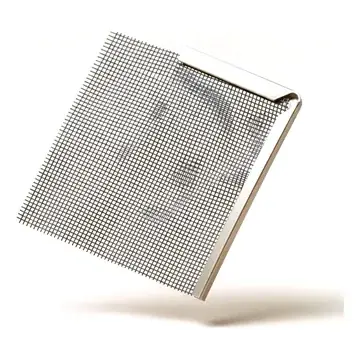
| Afternoon sun on the glass | Anti-glare | AED 650 |
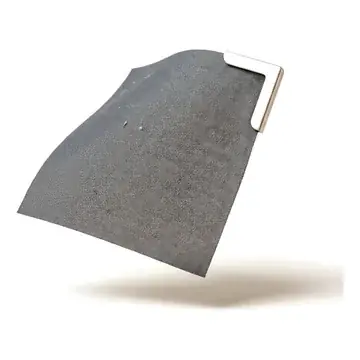
| Desert edge or a building site nearby | Anti-dust | AED 800 |
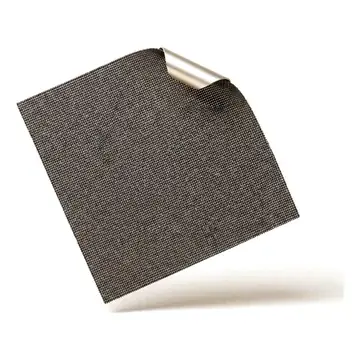
| Shade and privacy by day | Blackout: grey, brown, beige or coffee | AED 1,050 |
The measurer brings samples, so you can hold each one against your own door.
Prices per m² from our price list.
Sand hides the channels. A clean track shows where a screen can run.
We check which leaves slide and where a screen can wait.
The door to the pool, the door to the barbecue. The busiest one gets the sturdiest mesh.
Some communities want an entry permit for every contractor. Ask before the fitting day.
Some terraces need another system.
A sliding screen needs a door track. For an open pergola, zip screens run in side tracks on the posts.
If the glass uses every channel and the frame has no flat strip, a pleated screen with its own flat track fits.
Terrace tracks collect grit fast. Sweep them often in dusty weeks, or the rollers start to drag.
For open pergolas and terrace sides
AED 1,550Fold away, low flat track
 from AED 810
Glass walls with many leaves
 AED 800/m²
For the door the dog uses
Every opening of the house
Emaar and Nakheel, before you fit
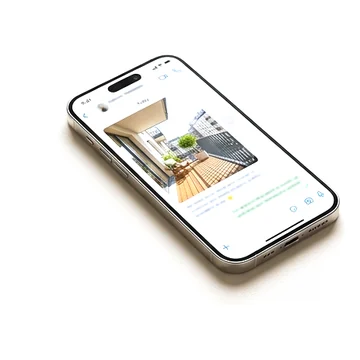 Photo
PhotoSend the opening on WhatsApp. We reply with a price range.
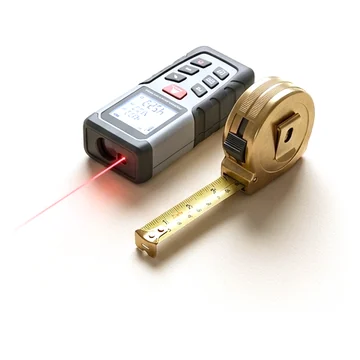 Survey
We measure and confirm the price. Free anywhere in Dubai.
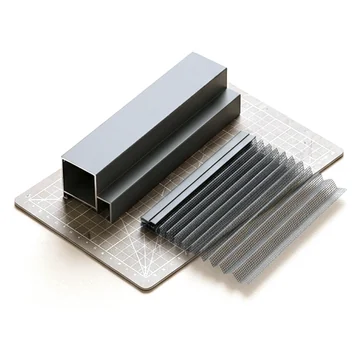 Made to size
Made to your opening, mesh and frame colour. From survey to fitting in 3 to 5 days.
 Fitting
Our own team fits, adjusts and cleans up.
Warranty: 5 years on the frame, 2 years on the mechanism, 2 years on fitting.
“The roller mechanism on our existing net broke. They replaced it with a new upgraded system that rolls smoother and locks in place better. Much better than the original.”
“Added nets to all winds and doors throughout the houset was a big job, but they completed in one day. Team of workers, very effiant. Photos attached.”
“Quick installation of nets in the kids! room. They were careful not to wake the baby during nap time = very considerate. Small jeb but they treated it with the same care es a big project.”
Yes. Glass doors get sliding or pleated screens, an open pergola gets zip screens between the posts, and a corner without a post takes pleated Corner.
From AED 670 per terrace door and from AED 810 for a wide opening, with standard mesh. Pet mesh for a busy door is AED 800 per m².
No. It slides along the door line and needs no room to swing, so loungers can stand close.
Standard mesh for most doors. Pet mesh where the dog goes out, anti-glare where the afternoon sun hits the glass.
Check your community rules first; some ask for an entry permit for the fitters. A screen on the door track in the frame colour changes the facade least.
Close the glass behind it. Afterwards vacuum the track, because sand under the rollers makes the screen drag.
A sliding screen uses the door track or a slim track on the door frame. Zip screens on a pergola are fixed to its posts.
We reply on WhatsApp with the price and the screen that fits.