
AAnderson AteufackGoogle★★★★★
“The roller mechanism on our existing net broke. They replaced it with a new upgraded system that rolls smoother and locks in place better. Much better than the original.”
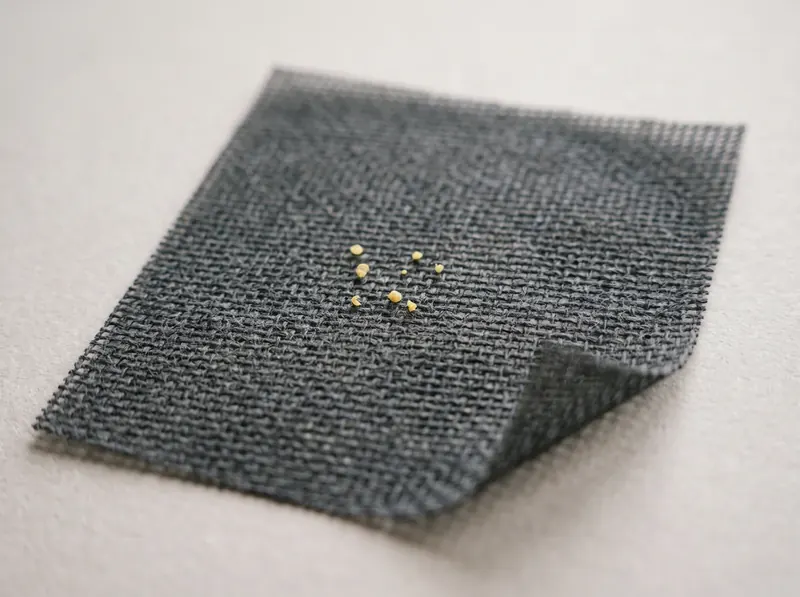
A denser weave with no gaps around the frame. Standard mosquito mesh and our 0.8 × 0.8 mm pleated mesh are sized for mosquitoes, and the smallest sand flies and midges can squeeze through. Anti-dust mesh at AED 800 per m² stops many more of them, at the cost of some breeze and a slightly duller view.
 Andrei Moroz · Head of installation
Tiny bites at dusk, no buzzingBiting midges or sand flies
They get in through the netA weave sized for mosquitoes, or a gap at the frame
A net with smaller holesAnti-dust mesh, denser weave
A net that filters almost everythingPollen filter mesh
Mosquito mesh is a trade between keeping insects out and letting air in. Its cells are sized for mosquitoes and house flies. Sand flies and midges are much smaller, and some slip through.
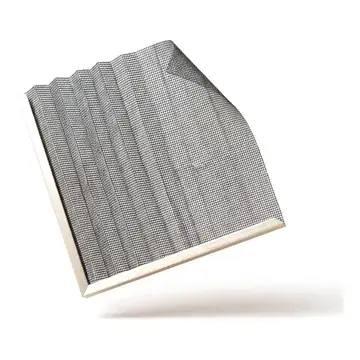
The pleated mesh we fit has a 0.8 × 0.8 mm cell: no mosquito passes it, the tiniest biters can. They also find gaps: a torn corner, a flat brush seal.
Do you hear buzzing before you are bitten?
That is a mosquito. Standard mesh at AED 400 per m² keeps it out.
Silent bites point to midges or sand flies, too small to hear.
Are the bites in clusters on ankles and wrists after sitting out at dusk?
Typical of midges near water and watered lawns. Upgrade the terrace and garden doors first.
Check the bedrooms: bites at night point to the windows there.
Is your current screen torn or gapped at the edges?
Fix that first: rescreening with standard mesh is AED 200 per screen.
Then the weave is the weak point, not the fit.

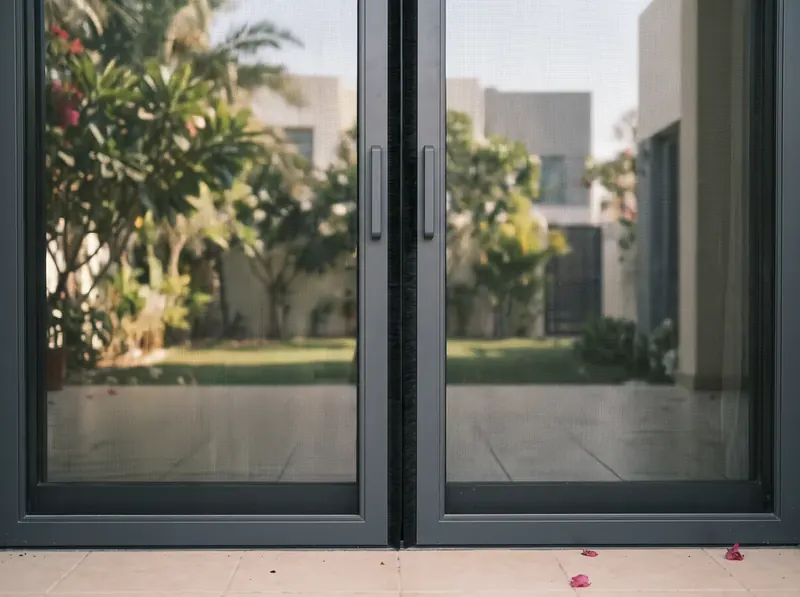

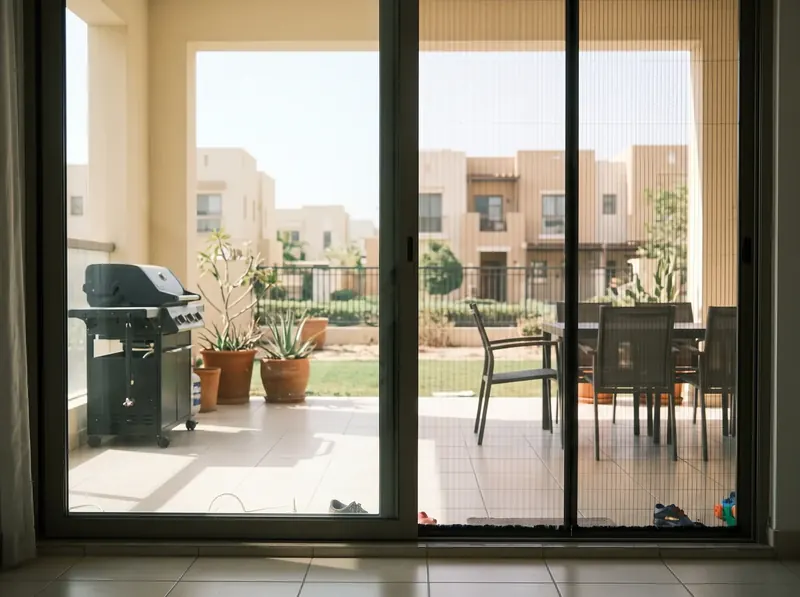
Midges and sand flies gather by water and green: lakes and canals, golf courses, watered lawns, villas on the desert edge. They come out at dusk and after dark.
A flat on a high floor far from greenery rarely needs it. A ground floor garden door left open at sunset is the first place for a denser mesh.
Know this before you order it for the whole house.
More threads let less air through. A room you cool with the evening breeze may be better off with standard mesh.
Fine mesh catches dust as well, so it greys faster after a shamal and needs the vacuum more often.
A dense weave shows more from inside, most of all against bright light.
Room, hour, and which door or window stood open. That tells the measurer which opening to upgrade.
Worn brush seals, torn corners and a frame off the wall let midges in whatever the mesh.
The measurer brings mesh samples. Look through them against your own window to judge view and air.
Denser mesh where you are bitten, standard mesh everywhere else.
“The roller mechanism on our existing net broke. They replaced it with a new upgraded system that rolls smoother and locks in place better. Much better than the original.”
“Added nets to all winds and doors throughout the houset was a big job, but they completed in one day. Team of workers, very effiant. Photos attached.”
“Quick installation of nets in the kids! room. They were careful not to wake the baby during nap time = very considerate. Small jeb but they treated it with the same care es a big project.”
A standard one stops some of them. A denser weave such as anti-dust mesh, fitted with no gaps at the frame, stops many more.
On our price list, yes. The denser anti-dust weave is what we fit when people ask for midge or sand fly protection, at AED 800 per m².
Its 0.8 × 0.8 mm cell stops mosquitoes. The smallest midges and sand flies can pass it, so for them a framed screen with anti-dust mesh works better.
It lets less air through than standard mesh. With the AC on and the glass shut you will not notice; in a room cooled by the breeze you will.
The ones where you get bitten, most often bedrooms and the terrace or garden door used at dusk. Other rooms can keep standard mesh.
At AED 800 per m², a 1.5 × 1.2 m window comes to AED 1,440 in a fixed frame.
We reply on WhatsApp with the price and the screen that fits.
Mesh types · Dubai
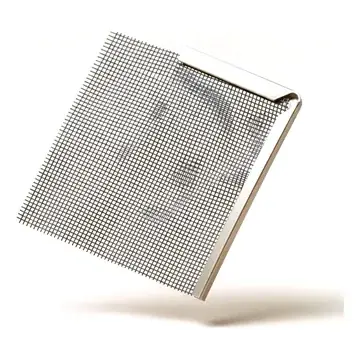
Mesh types · Standard

Window screens · Dubai
Guide · Mosquito season

Guide · Sand and mesh