AAnderson AteufackGoogle★★★★★
“The roller mechanism on our existing net broke. They replaced it with a new upgraded system that rolls smoother and locks in place better. Much better than the original.”
Fibreglass, for most Dubai windows and doors. It bends and springs back instead of denting, has no metal to corrode in salty air and costs AED 200 per screen to replace. Aluminium mesh stays flatter on a big fixed panel, but it dents, catches the light and costs AED 350 per screen to rescreen.
 Andrei Moroz · Head of installation
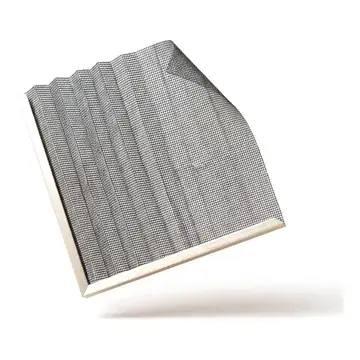
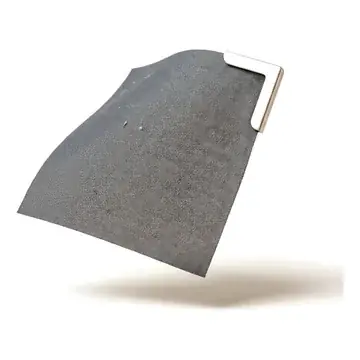
Fibreglass mesh is woven from glass yarn and coated in PVC, usually grey or black. It is soft in the hand, so it can be pleated, rolled into a cassette or stretched in a frame.
Aluminium mesh is woven from thin metal wire. It is stiff and silvery unless coated, and it only goes into a flat framed screen. Fold or roll it and the crease stays for good.
| Question | Fibreglass | Aluminium |
|---|---|---|
| A child or pet leans on it | Bends, then springs back | Dents and keeps the crease |
| Salt air by the sea | No metal to corrode | Oxidises and turns dull |
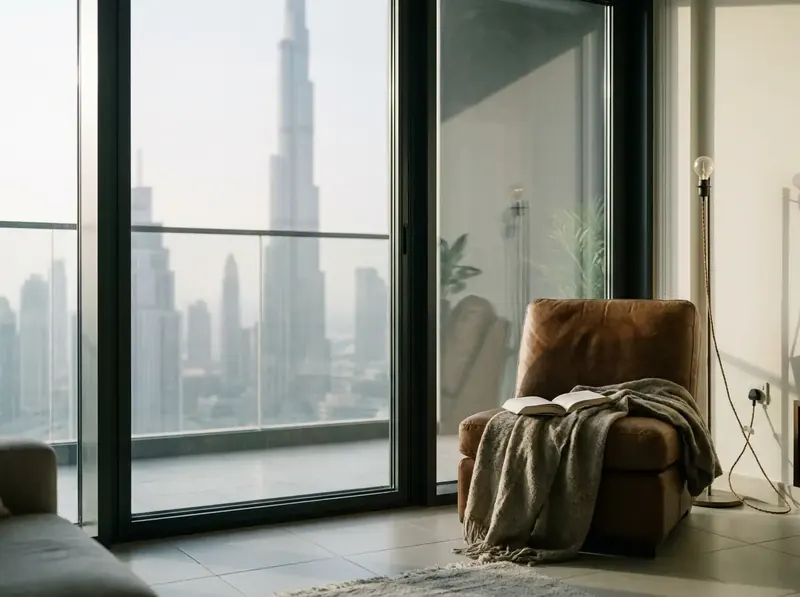
| Seen from the sofa | Dark yarn fades into the view | Bright strands catch the sun |
| Held in the frame | Stays under the spline | Can creep out under tension |
| Pleated and roller screens | Used, it folds and rolls | Not used, it creases |
| New mesh in your frame | AED 200 per screen | AED 350 per screen |
Rescreening from our price list: standard grey or black AED 200, fibreglass on frames up to 2 m wide AED 300, metal mesh AED 300, aluminium AED 350 per screen.
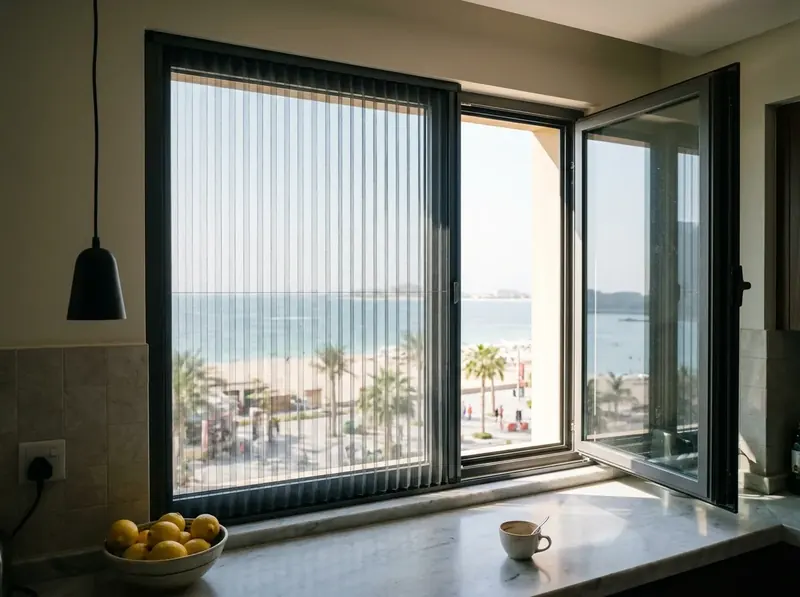
Along the Marina, JBR and Palm Jumeirah, the sea breeze leaves salt on every frame. On aluminium wire it turns into a dull white bloom that weakens the mesh over time.
Fibreglass has nothing in it to corrode. A rinse with fresh water when the mesh looks grey is all it asks, and the humidity by the water does not change it.
Does a cat or dog reach this screen?
Skip both. Pet mesh at AED 800 per m² takes the claws that split fibreglass and dent aluminium.
Standard fibreglass is enough for mosquitoes and flies.
Does the window face the sea, a lagoon or a canal?
Fibreglass. Salt air is where aluminium ages fastest.
Both work inland, and fibreglass is still the cheaper one to replace.
Is it a pleated or roller screen?
Metal is out. These screens fold or roll, so they take soft mesh only.
A flat framed screen can take either, so decide on the view and the knocks.
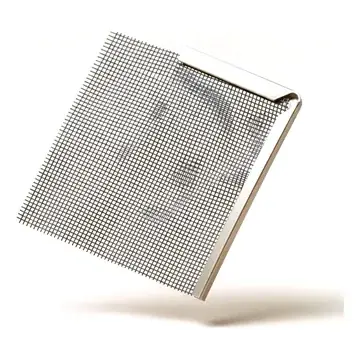
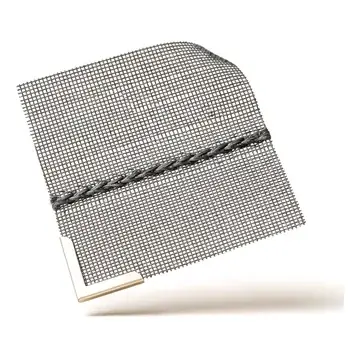
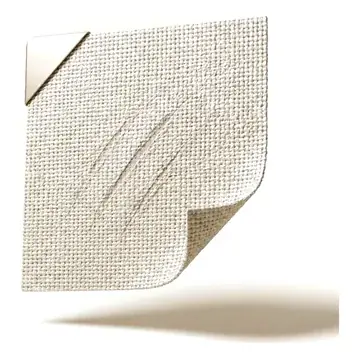
Neither material suits every opening.
Standard fibreglass splits when a cat climbs it. The fix is pet mesh at AED 800 per m², not aluminium, which dents under the same paws.
Every knock from a trolley, a bag or a football leaves a dent that stays. Reinforced mesh at AED 600 per m² takes the knock and springs back.
Salt dulls and weakens the wire, so on a coastal home it needs new mesh sooner than fibreglass in the same spot.
Choose the mesh first, then the screen.
“The roller mechanism on our existing net broke. They replaced it with a new upgraded system that rolls smoother and locks in place better. Much better than the original.”
“Added nets to all winds and doors throughout the houset was a big job, but they completed in one day. Team of workers, very effiant. Photos attached.”
“Quick installation of nets in the kids! room. They were careful not to wake the baby during nap time = very considerate. Small jeb but they treated it with the same care es a big project.”
It is stiffer, but stiff is not the same as strong. Aluminium dents and keeps the crease. For real strength take reinforced mesh at AED 600 or pet mesh at AED 800 per m².
Black fibreglass. Bright aluminium strands catch the sun and stand out against a sea or skyline view.
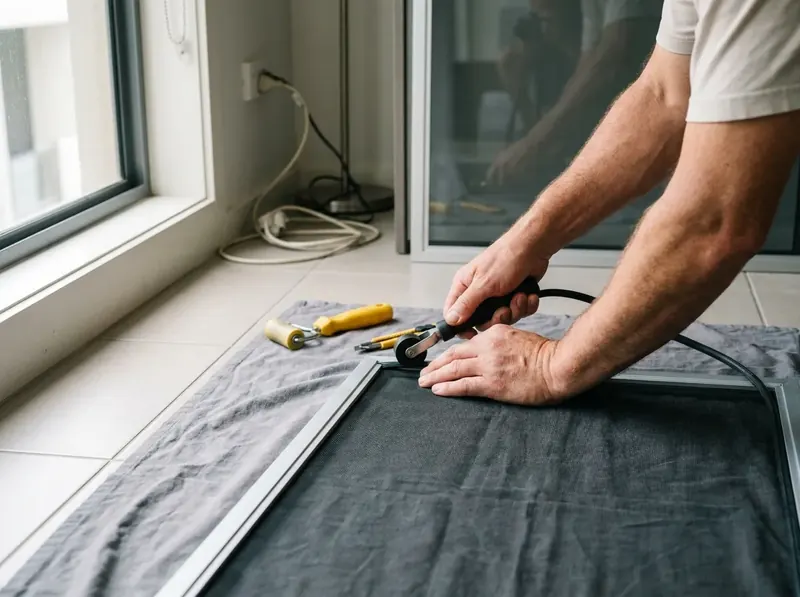
Yes, if the frame is straight and the corners are sound. Standard grey or black mesh costs AED 200 per screen, fitted with a new spline.
Metal mesh is on our list for framed screens at AED 300 per screen. It is the stiffest choice, but it shows more from the room and does not fit pleated or roller screens.
Our pleated screens use mesh with a 0.8 × 0.8 mm cell, small enough for mosquitoes and small flies. For midges and blown sand, anti-dust mesh has a denser weave.
Press it gently with a finger. Fibreglass gives and springs back; aluminium feels stiff, looks silvery or dull grey and keeps the dent. A photo on WhatsApp works too.
We reply on WhatsApp with the price and the screen that fits.
Mesh types · Standard
Mesh types · Reinforced
Mesh types · Pets
Mesh guide · Dubai
Guide · Repair