AAnderson AteufackGoogle★★★★★
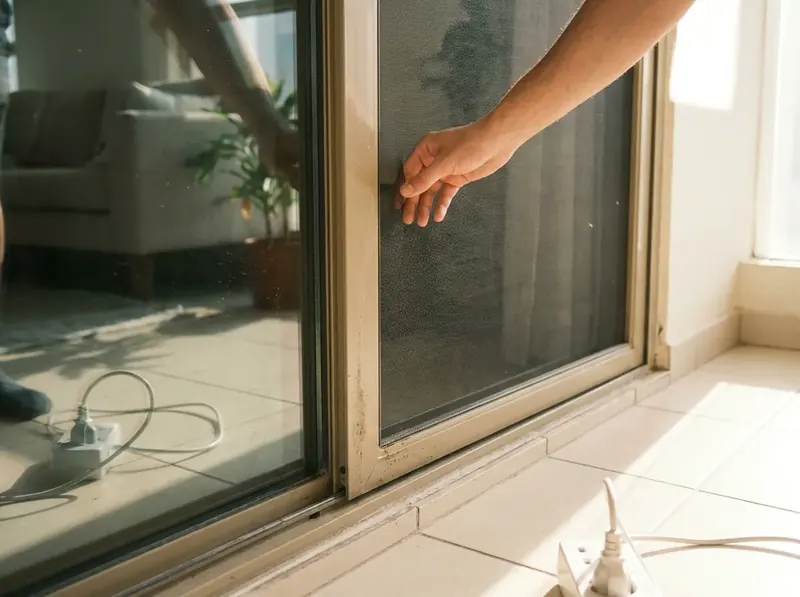
“The roller mechanism on our existing net broke. They replaced it with a new upgraded system that rolls smoother and locks in place better. Much better than the original.”
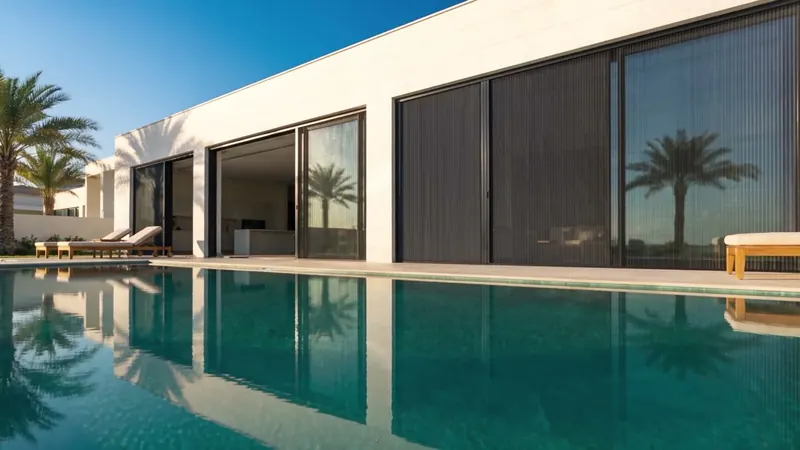
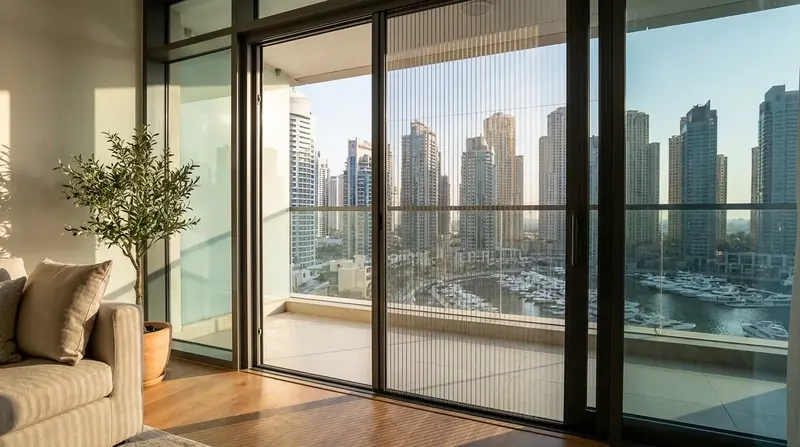
A pleated mosquito net for sliding doors runs in its own low flat track in front of the glass, so the door needs no spare channel. The system depends on where the gap opens: Centra at the meeting post, Uno at the wall, Proxima on the widest glass. A sliding door costs AED 1,550, made to measure.
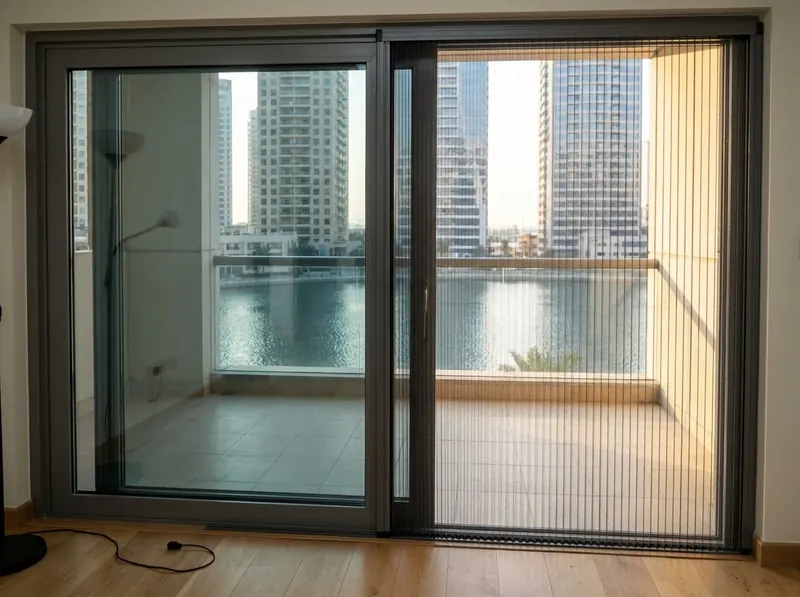
Stand inside and slide the door open. If the gap starts mid frame, where the leaves overlap, the cassette goes on that meeting post. If it starts at the wall, it goes on the jamb.
The pleated net is a separate layer in front of the glass. The door keeps its own rails and slides as before, and you draw the mesh across only when the glass is open.
| Your slider | System | Largest size, PVL 39 |
|---|---|---|
| Leaves meet in the middle, one of them moves | Centra | 3.5 × 3.0 m or 3.0 × 4.0 m |
| Gap opens at the wall, or the door folds as it slides | Uno | 3.5 × 3.0 m or 3.0 × 4.0 m |
| Two leaves part and the gap opens in the centre | Double Centra | 8.0 × 3.0 m or 6.0 × 4.0 m |
| One opening over 3.5 m, lift-and-slide or folding glass | Proxima | 8.0 × 3.0 m or 6.0 × 4.0 m |
| Two sliders at a right angle, no corner post | Corner | 3.5 × 3.0 m or 3.0 × 4.0 m per side |
PVL 29 and PVL 22 profiles have lower limits. The height of your door against its width decides the profile.
Prices per m² from our price list.
When you slide the glass open, does the gap start at the wall?
Uno, with the cassette on the wall side.
The gap is mid frame, so Centra.
Is the open gap wider than 3.5 m?
Proxima, or Double Centra if you walk out through the centre.
A single panel, Uno or Centra, is enough.
Does the door track have an empty spare channel?
A flat sliding screen can run in it for less. We price both at the survey.
Pleated is the answer: it brings its own low track.
Tap your slider. Standard mesh, made to measure and fitted.
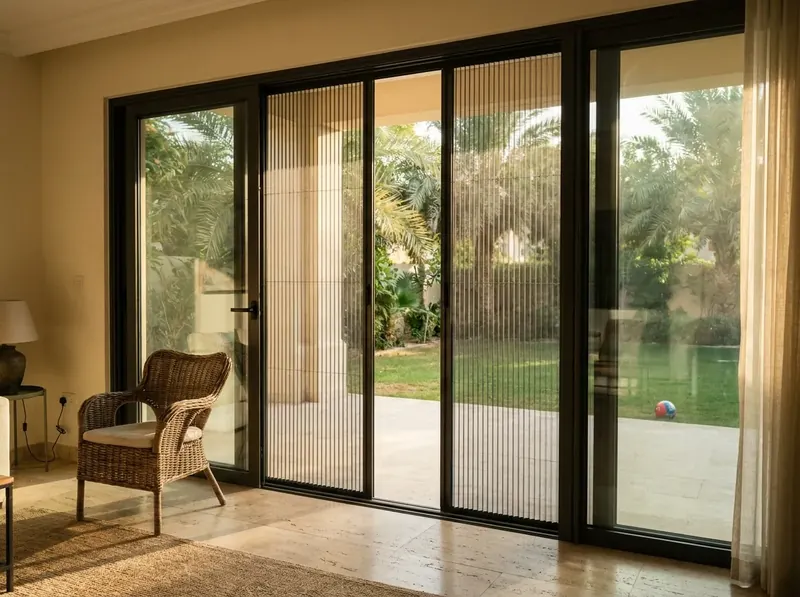
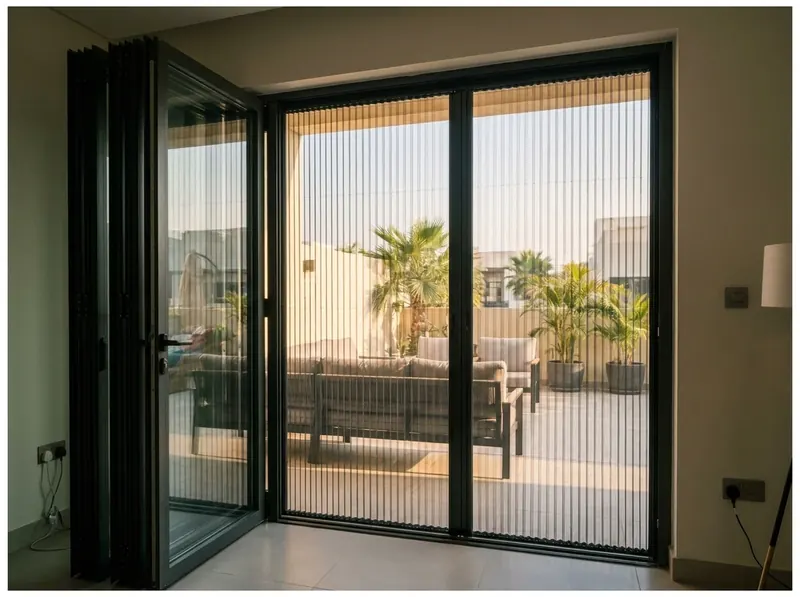
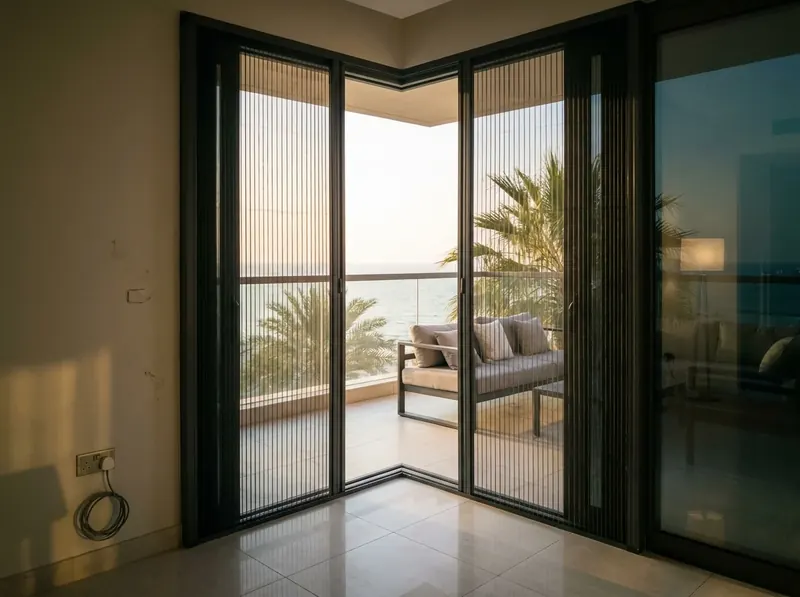
He counts the rails and the leaves in them. An empty rail means you get a price for a sliding screen too.
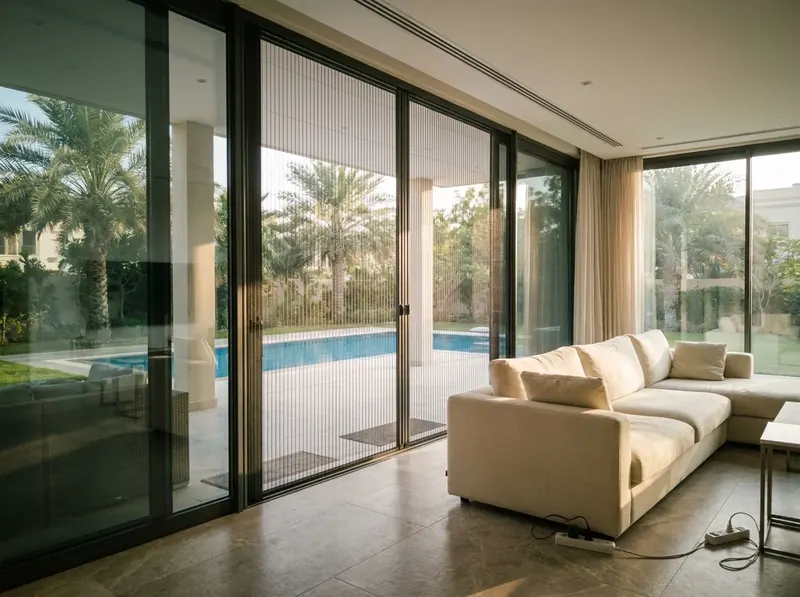
For Centra the cassette sits on the post where the leaves overlap, so he checks it is straight and firm.
The pleated track needs a level floor in front of the door, so tiles that fall to a drain are checked along the whole width.
Flush pulls and locks must clear the cassette when the door slides.
Here we would point you elsewhere.
If the frame and rollers are sound and only the mesh is torn, new mesh from AED 200 costs far less.
The pleated track collects sand. Near the desert edge, plan to vacuum it after every shamal.
That is past every pleated limit, so the opening gets two nets meeting on a post.
AED 1,550Opens from the meeting post
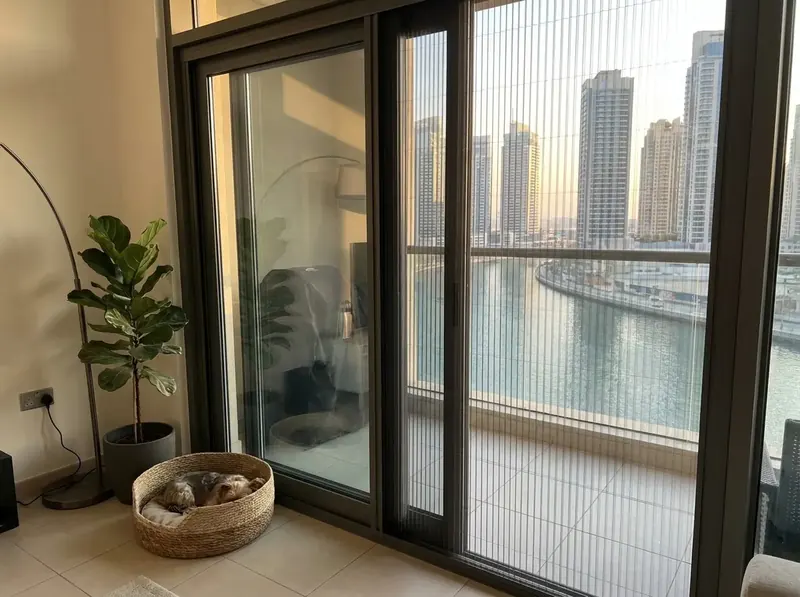
Folds to the wall side
from AED 1,550Two panels close to the centre
One long panel for the widest glass
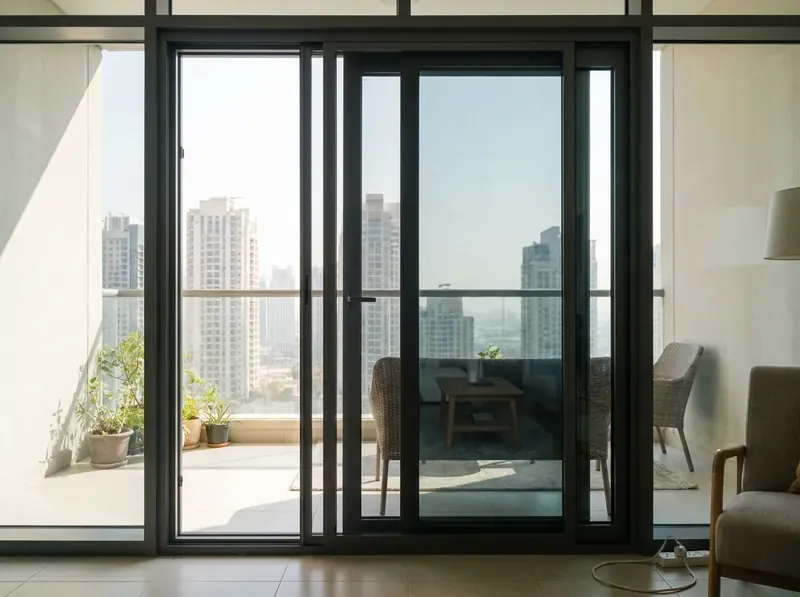 from AED 670
A flat panel in a spare channel
The three compared side by side
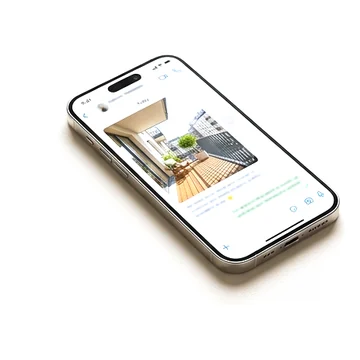 Photo
PhotoSend the opening on WhatsApp. We reply with a price range.
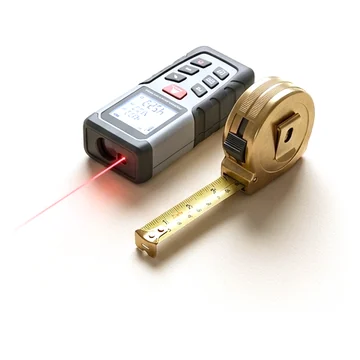 Survey
We measure and confirm the price. Free anywhere in Dubai.
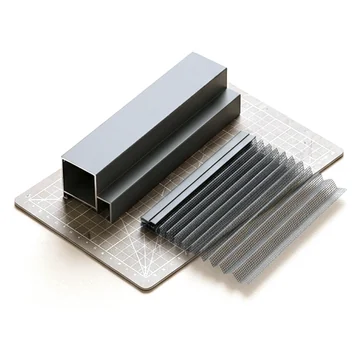 Made to size
Made to your opening, mesh and frame colour. From survey to fitting in 3 to 5 days.
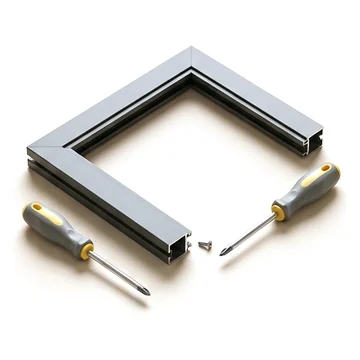 Fitting
Our own team fits, adjusts and cleans up.
Warranty: 5 years on the frame, 2 years on the mechanism, 2 years on fitting.
“The roller mechanism on our existing net broke. They replaced it with a new upgraded system that rolls smoother and locks in place better. Much better than the original.”
“Added nets to all winds and doors throughout the houset was a big job, but they completed in one day. Team of workers, very effiant. Photos attached.”
“Quick installation of nets in the kids! room. They were careful not to wake the baby during nap time = very considerate. Small jeb but they treated it with the same care es a big project.”
AED 1,550 per door, made to measure and fitted. Double Centra starts from the same AED 1,550, and Proxima on a wide glass wall is priced at the free survey.
Yes. The door slides on its own rails, and the net is a separate layer you open or close when you like.
A pleated net. It runs in its own low flat track in front of the door and does not use the door rails.
No. A sliding screen door is a flat mesh panel on rollers. A pleated net folds like an accordion and fits doors with no spare channel.
Yes. Proxima is made for wide lift-and-slide and folding glass, and Uno also suits a sliding folding frame.
Grit in the low track makes it drag. Vacuum the track after a shamal; most stiff nets are just sandy tracks.
Into a cassette at the point where the gap opens, so it never sits in front of the fixed glass.
We reply on WhatsApp with the price and the screen that fits.